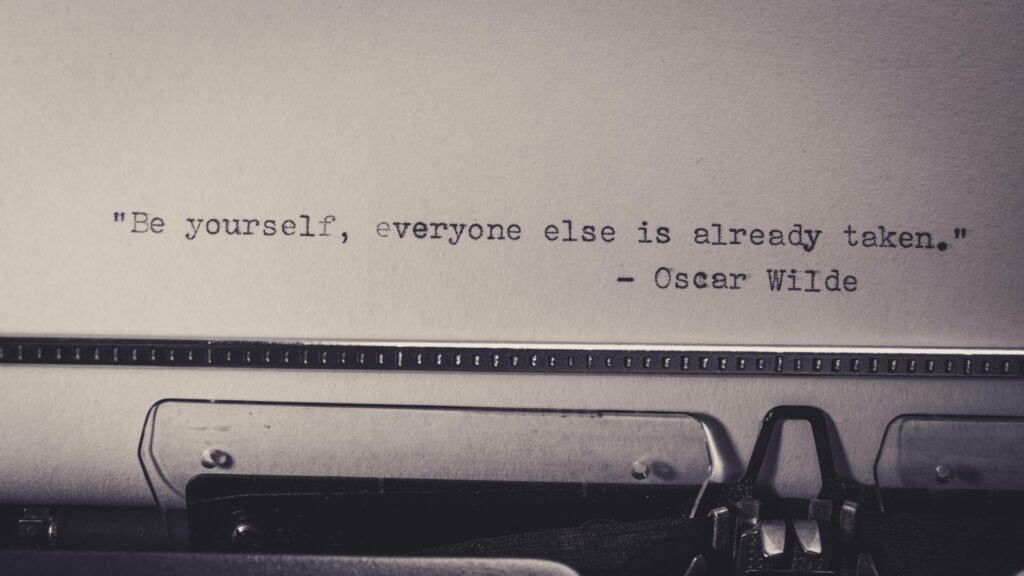
Why Authenticity Matters More Than Ever in 2026
This Year, Marketing Needs To Not Suck
As we enter 2026, it is clear that something fundamental has shifted in how people relate to brands. For a long time, growth was driven by visibility and velocity.
The assumption was that if you showed up often enough, spoke loudly enough, and optimized relentlessly, attention would follow.
But that is no longer the case. People are far less tolerant of anything that feels disconnected from truth, and there’s a backlash against obvious AI creations.
People are tired of being sold to by companies that have learned the language of intimacy without practicing the substance of it.
In today’s environment, authenticity is the baseline for being taken seriously at all.
Authenticity, as I see it, is not about revealing more or trying to sound relatable. The more you try, the less you will succeed! In fact, it’s more about old school writing and relationship building.
Your audience is not simply purchasing a product or a service. They are making a decision about which brands are allowed in their homes, on their bodies, and in their headspace. It’s emotionally charged which is precisely why we are seeing that backlash against “AI slop” and overly homogenized brands.

Growth Comes From Simplicity and Clarity
My approach to marketing has always been rooted in the belief that it is NOT a layer you add after the work is done. It is an expression of how clearly you understand what you are here to do and who you are here to serve (which is why I believe it needs to be one of the first roles in a company).
When brands struggle to articulate their value, it is rarely a copy problem. It is usually a clarity problem. That’s why you can test the same shitty message in a thousand different ways and get exactly zero lift.
Your performance is based on the product, and why it matters.
Too often, companies adopt frameworks that promise scale without first asking whether what they are scaling is actually aligned. The result is messaging that feels polished but empty, strategic but disconnected.
Authenticity requires discipline. It requires saying less and meaning it more, and resisting the urge to appeal to everyone. Commit fully to the people who truly resonate with your brand, narrow your focus, and see your brand grow. I know, it feels weird and uncomfortable, especially in a culture that rewards expansion and constant visibility, but the foundation of sustainable growth is actually doing less, saying less, and being less avaliable.
When a brand is grounded in its own truth, marketing becomes simpler. What emerges instead is consistency, and consistency is what builds trust over time.
Engagement Stems From Meaning
As algorithms continue to change and attention becomes more fragmented, engagement is returning to something much older and much simpler. People engage with what feels meaningful.
They stay with brands that feel steady, thoughtful, and respectful of their time and intelligence.
For purpose driven brands, engagement is about creating a sense of continuity and care. When people feel understood, they return without being chased. When they trust your perspective, they listen even when you are not selling.
This kind of relationship cannot be rushed. It is built through clarity, repetition, and a genuine commitment to alignment. Over time, that commitment becomes visible. Audiences may not articulate it, but they feel it, and feeling is what drives loyalty.
Aligning with Purpose
As we move into 2026, the brands that endure will be the ones that chose coherence over cleverness and depth over display. Authenticity will matter not because it is fashionable, but because it is functional in a saturated and skeptical world.
At Kusadama, this philosophy guides everything we do. We believe that when marketing is aligned with purpose, it becomes an act of service rather than persuasion.
The future belongs to brands willing to tell the truth, to build with intention, and to let their marketing be an honest reflection of who they are and why they exist. Want to experience the difference of our way of marketing?